After a transformative U.S. tour, Fela Anikulapo-Kuti turned music into a political weapon, giving birth to Afrobeat

Fela Anikulapo-Kuti

After a ten-month tour of the United States in 1969, Fela Anikulapo-Kuti fused the revolutionary ideas of the Black Panthers with the funk of James Brown and Sly Stone, and the electric freedom of Miles Davis

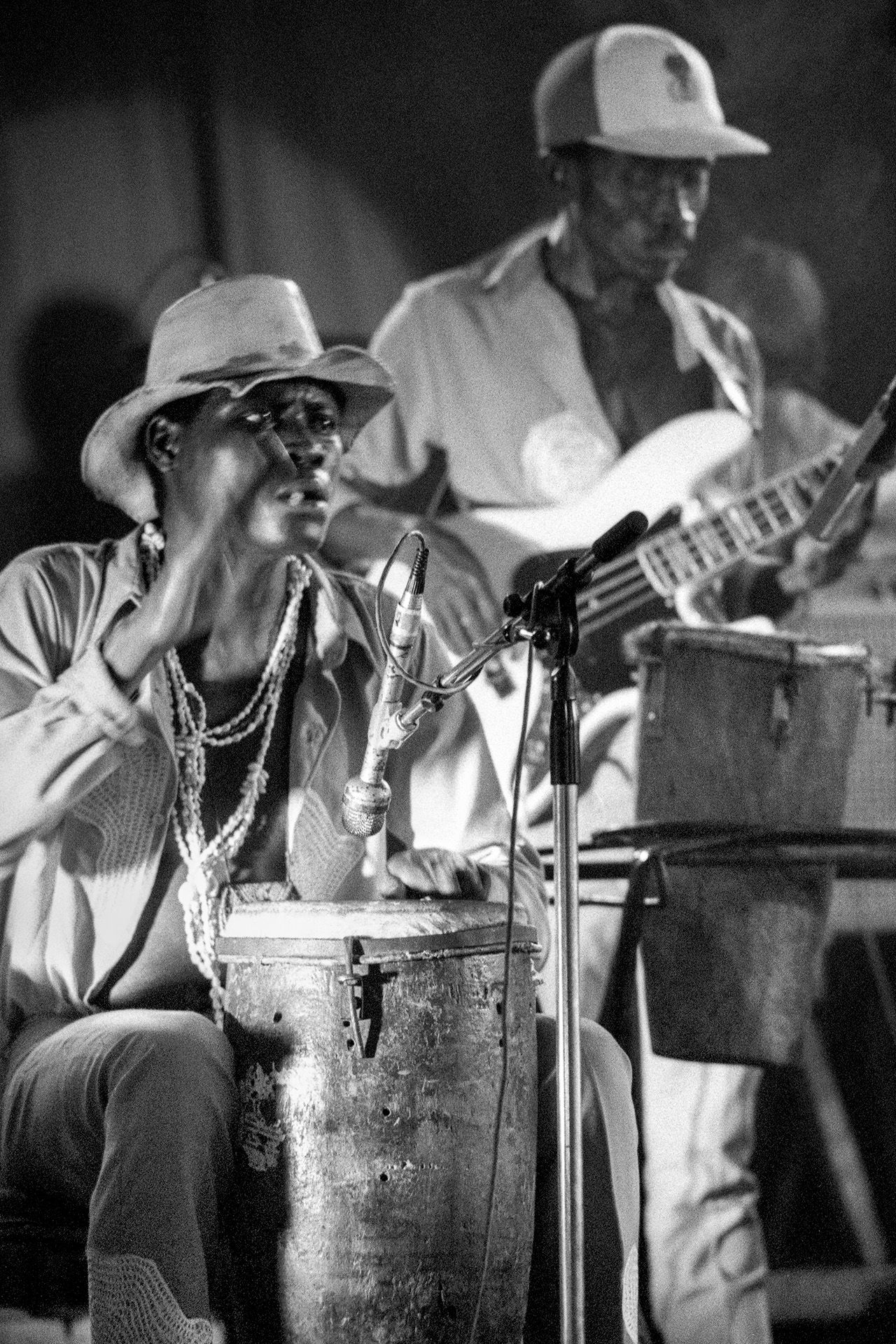
Back in Nigeria, surrounded by musicians such as drummer Tony Allen and trumpeter Tunde Williams, he turned his new Afrobeat music into a weapon against corruption, neocolonialism, and military rule.

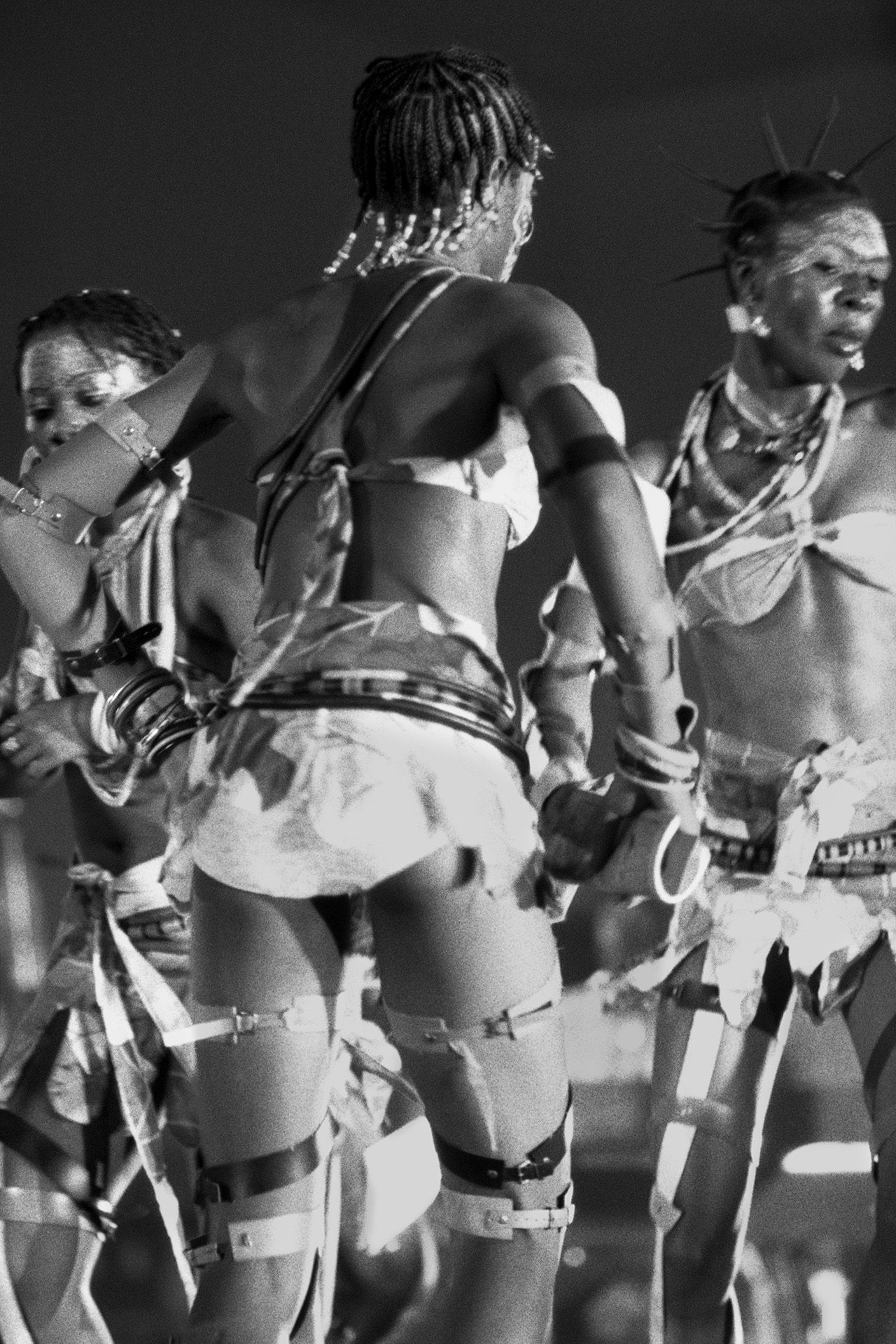
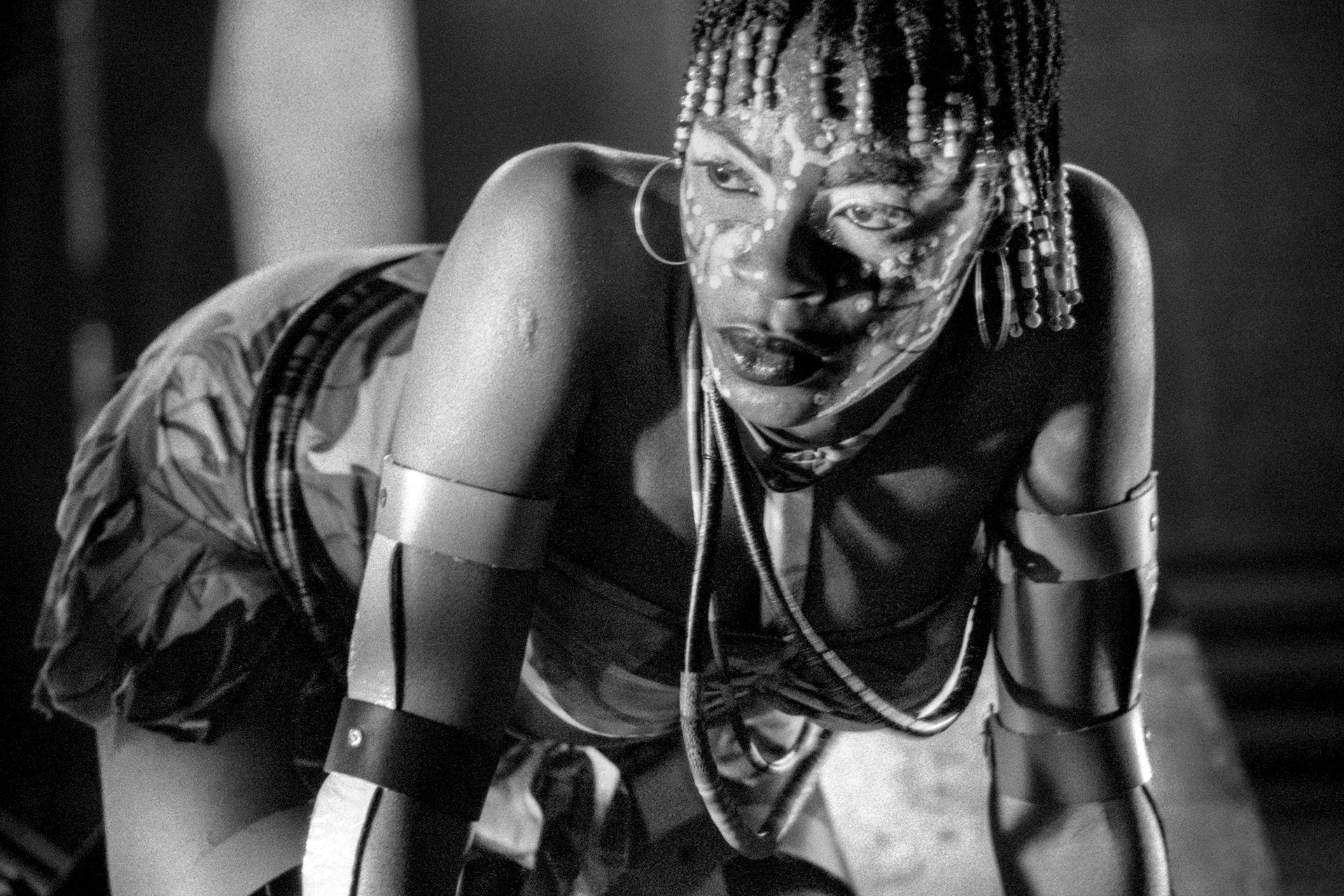
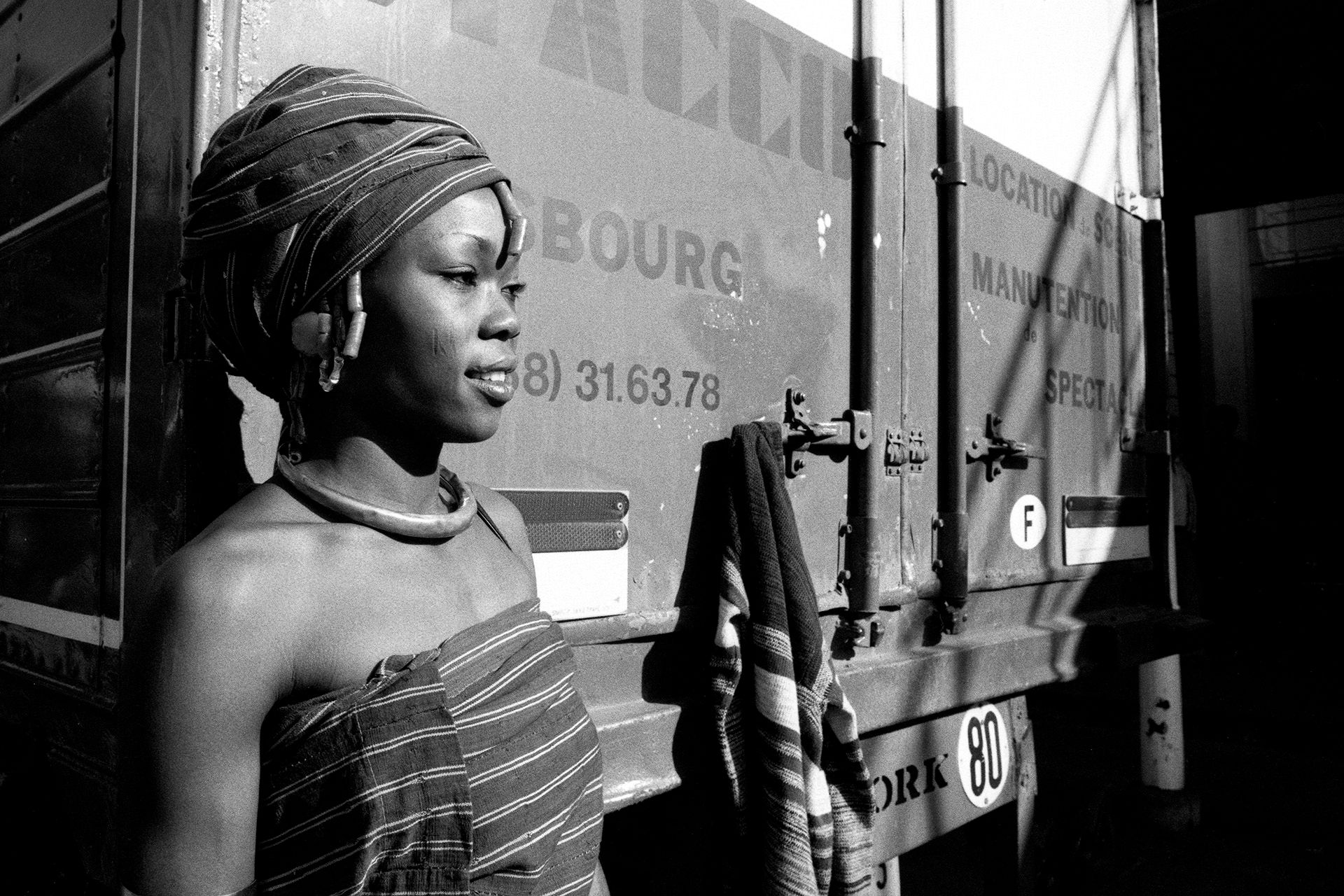
Raids, prison, and the destruction of his Kalakuta Republic, including the killing of his mother Funmilayo Ransome-Kuti, a pioneering feminist and anti-colonial activist, failed to silence him. Fela left behind more than 50 albums and a sound built for resistance as much as for dance. In 1978, asserting his African identity and rejecting Western norms, he married 26 of his dancers, the Kalakuta Queens, who became central to both his stage presence and political vision.

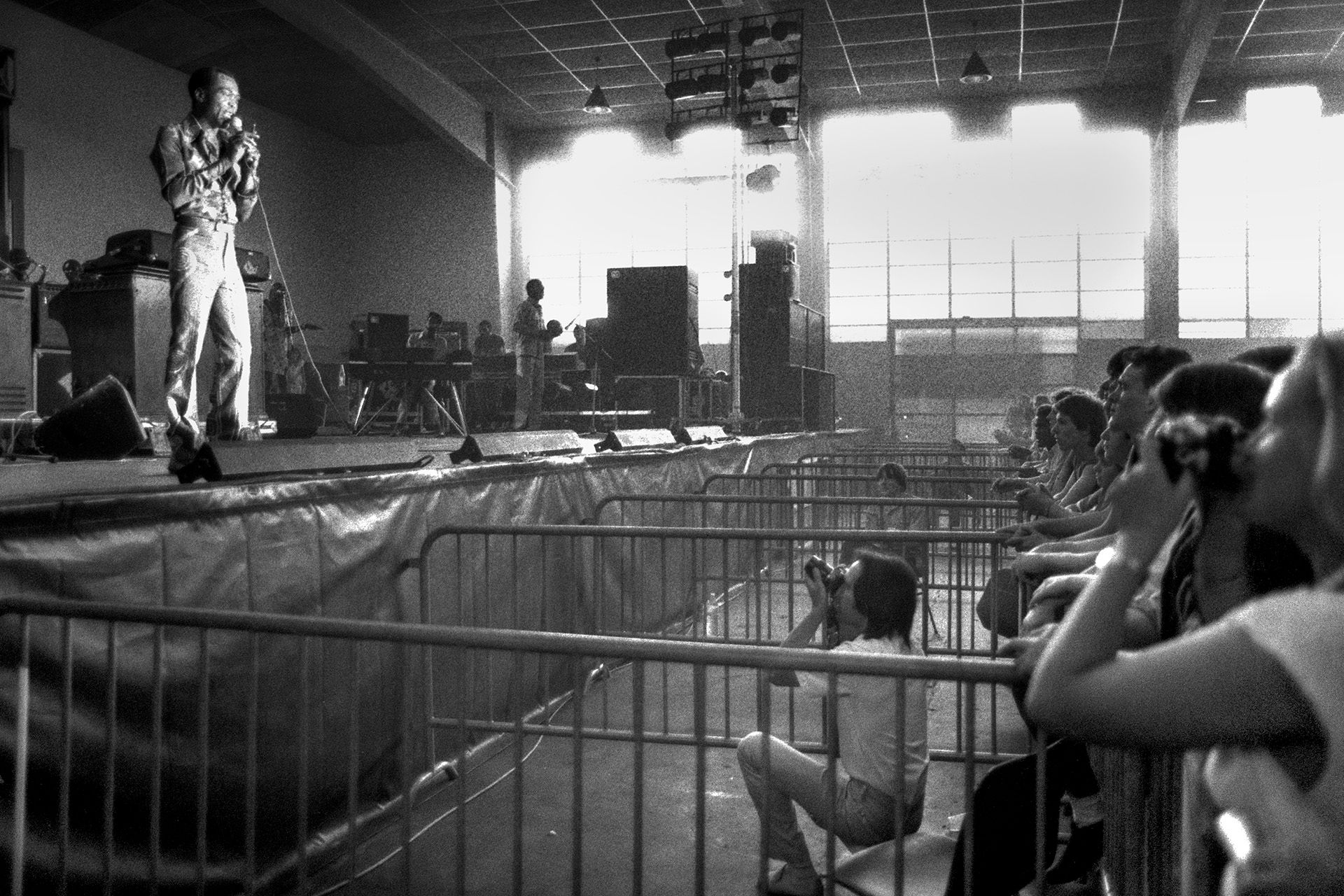
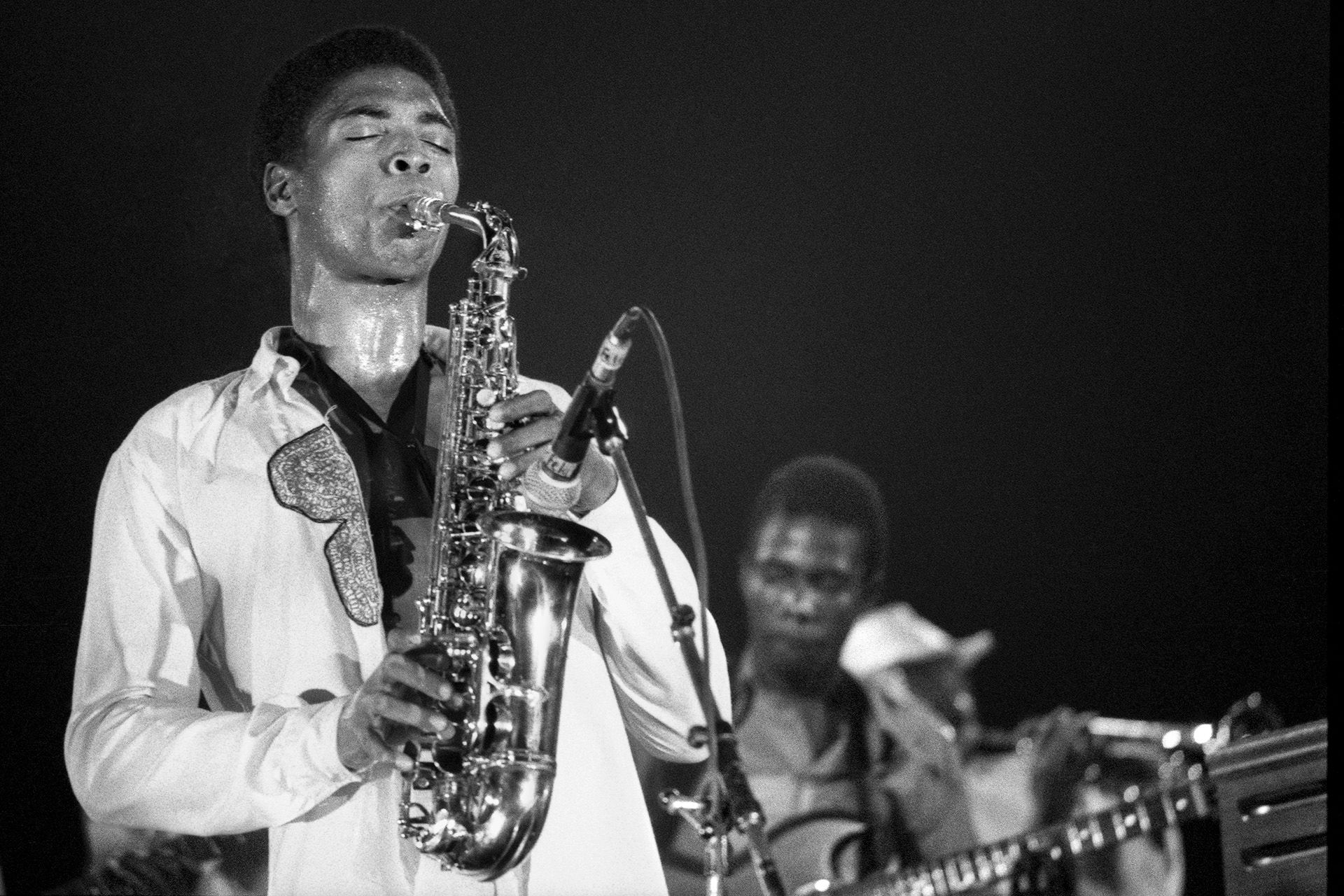
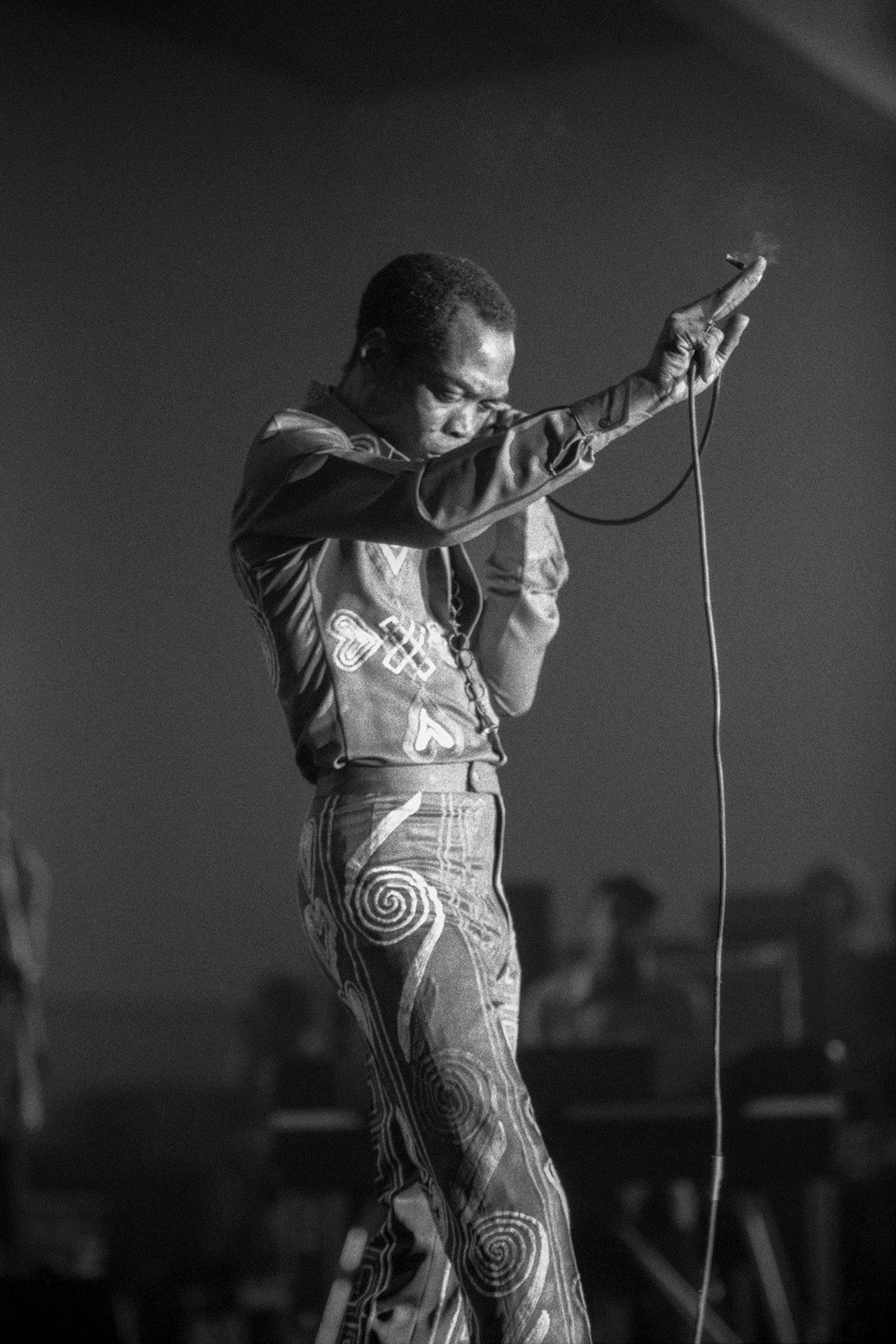
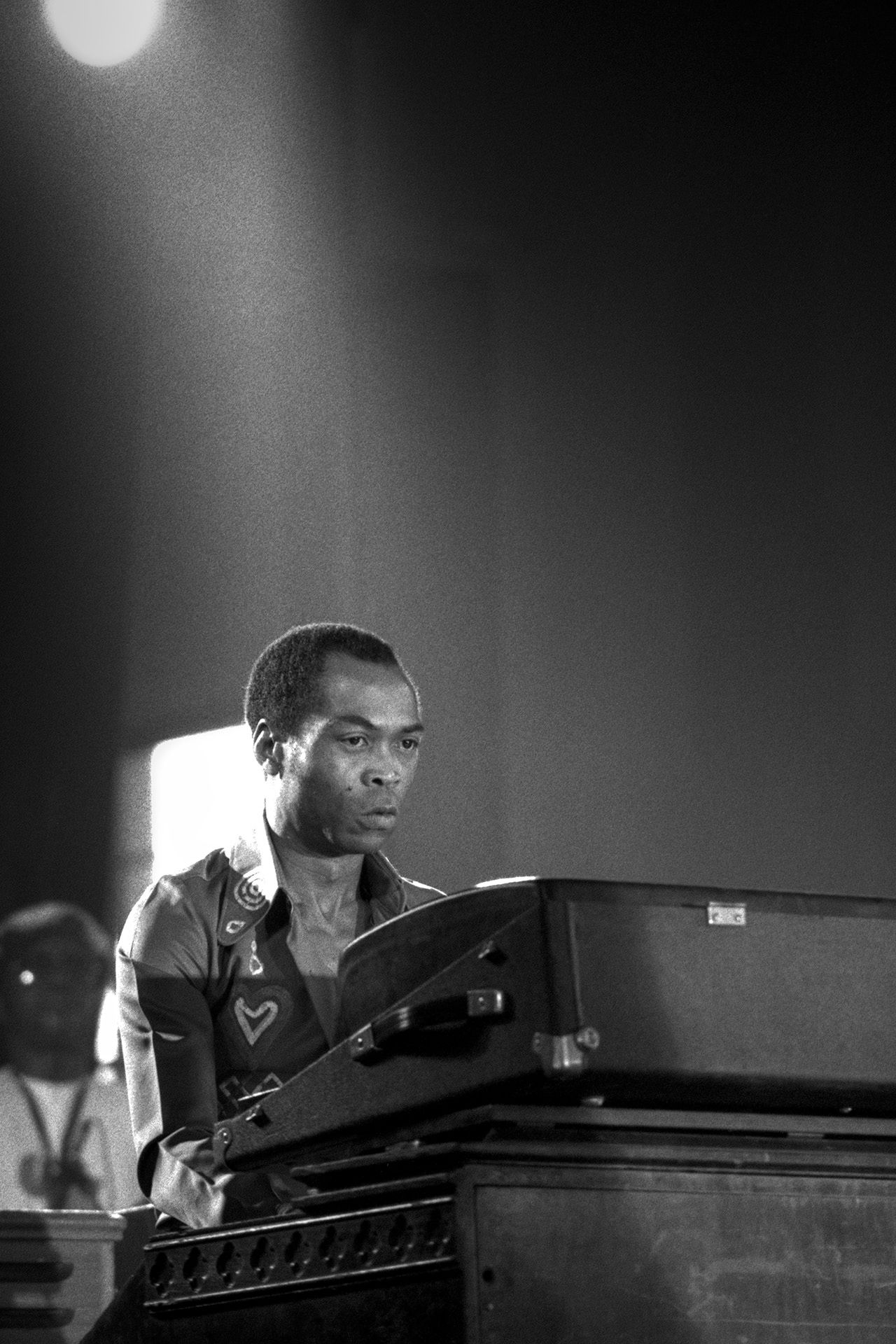
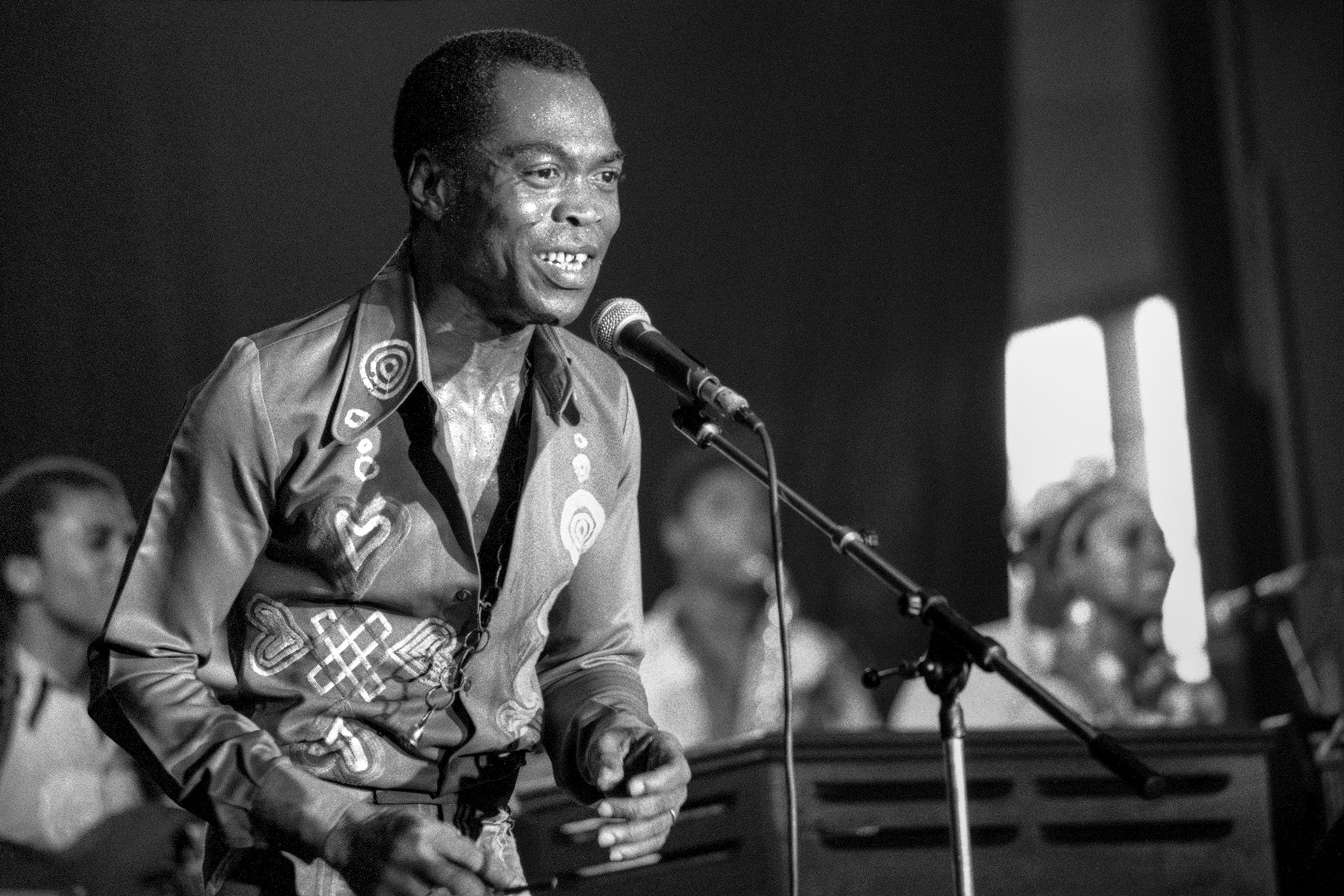
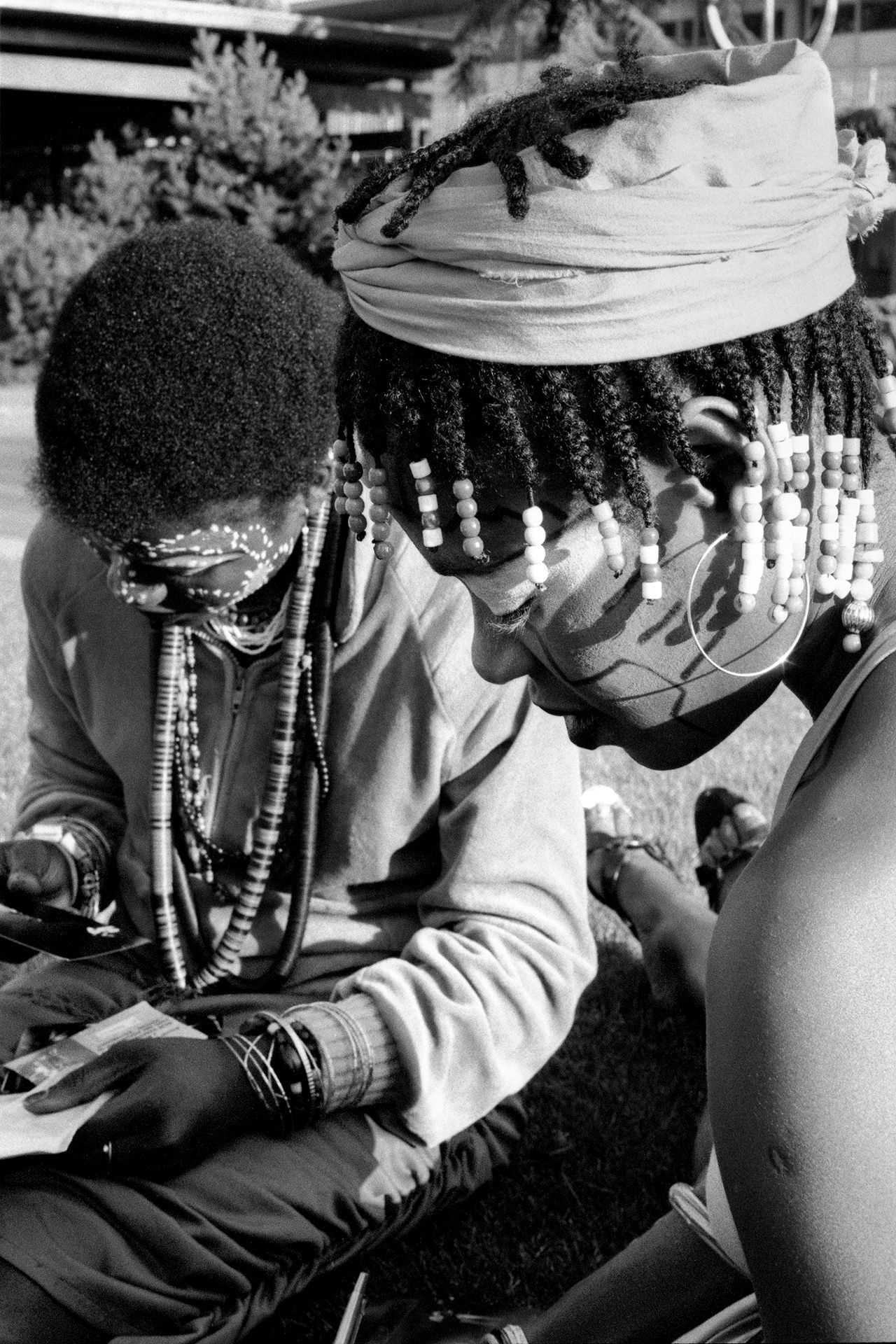
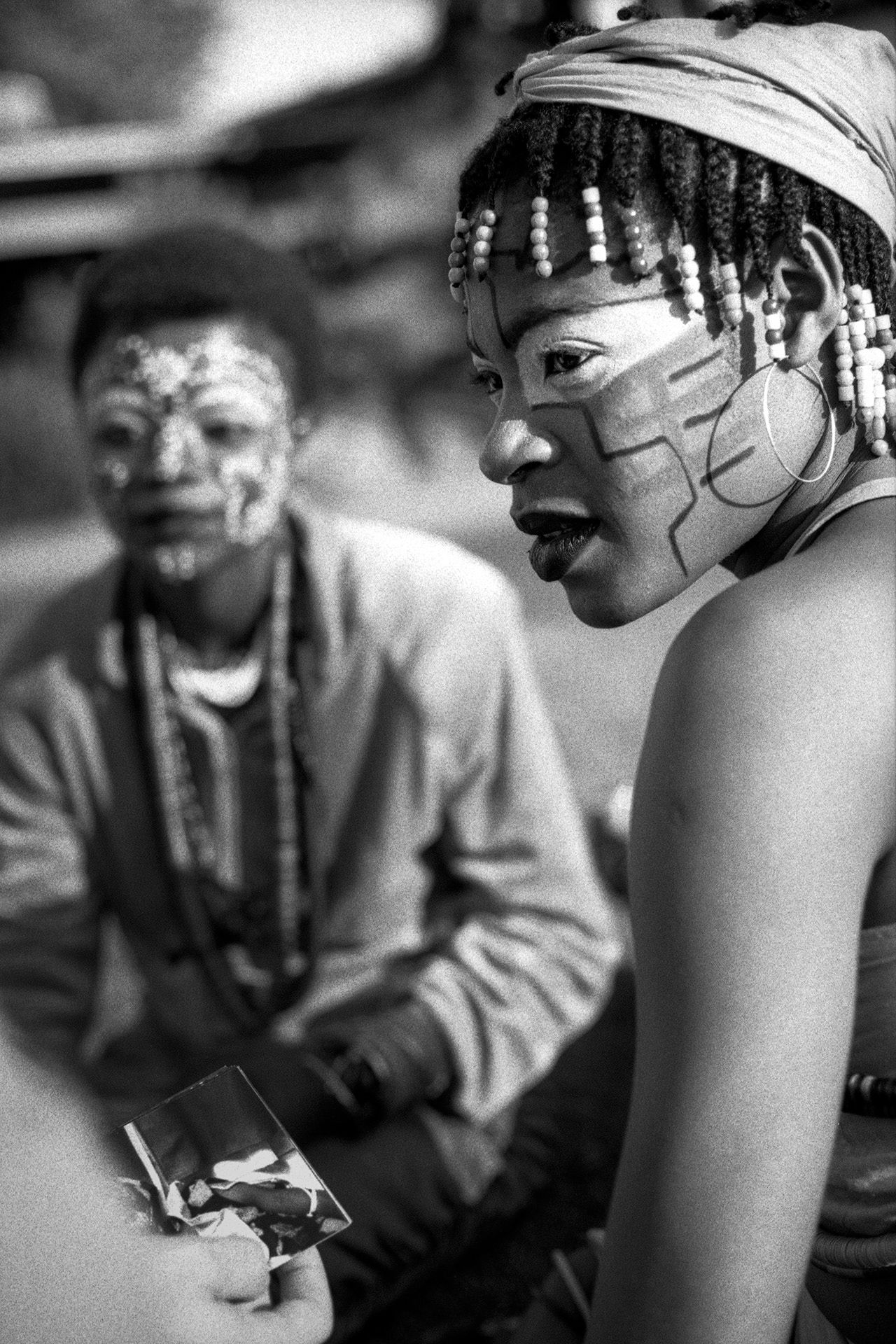
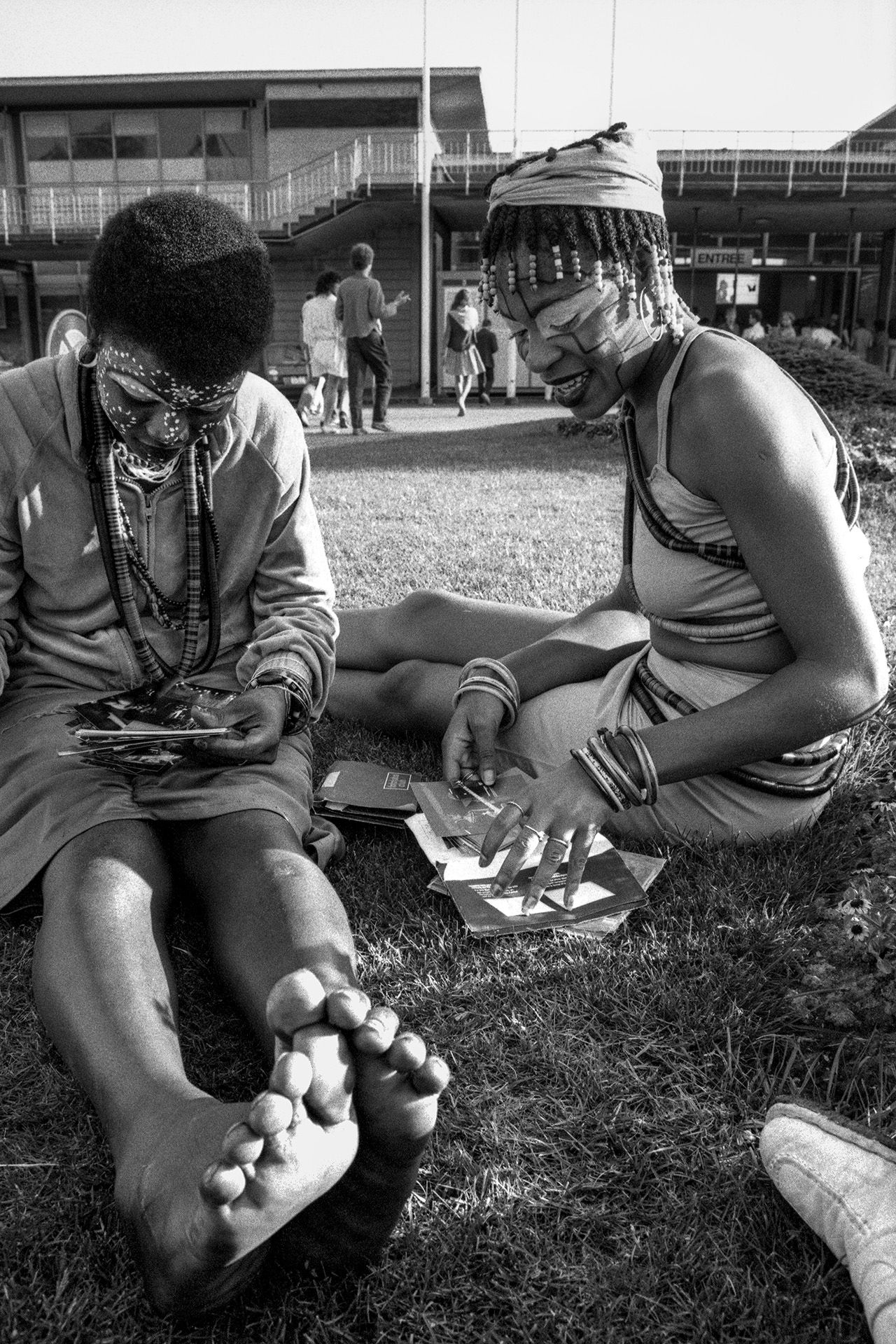
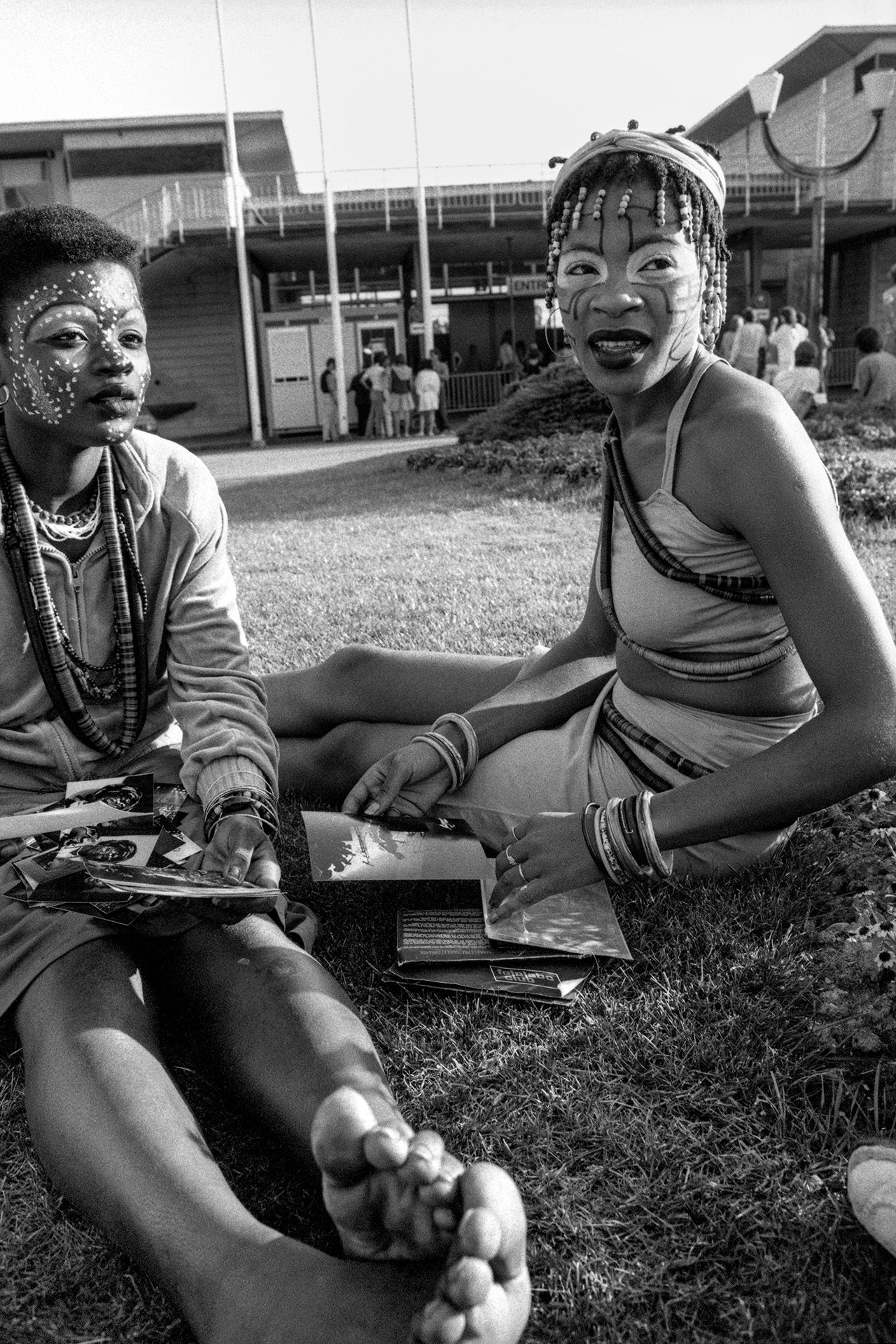
Seen live in Lausanne in July 1984 with the Queens and Femi, Fela’s legacy lives on through both of his sons, Femi and Seun Kuti (1)

---

(1) In 2026, Fela Anikulapo-Kuti will become the only posthumous recipient of the Grammy Lifetime Achievement Award.
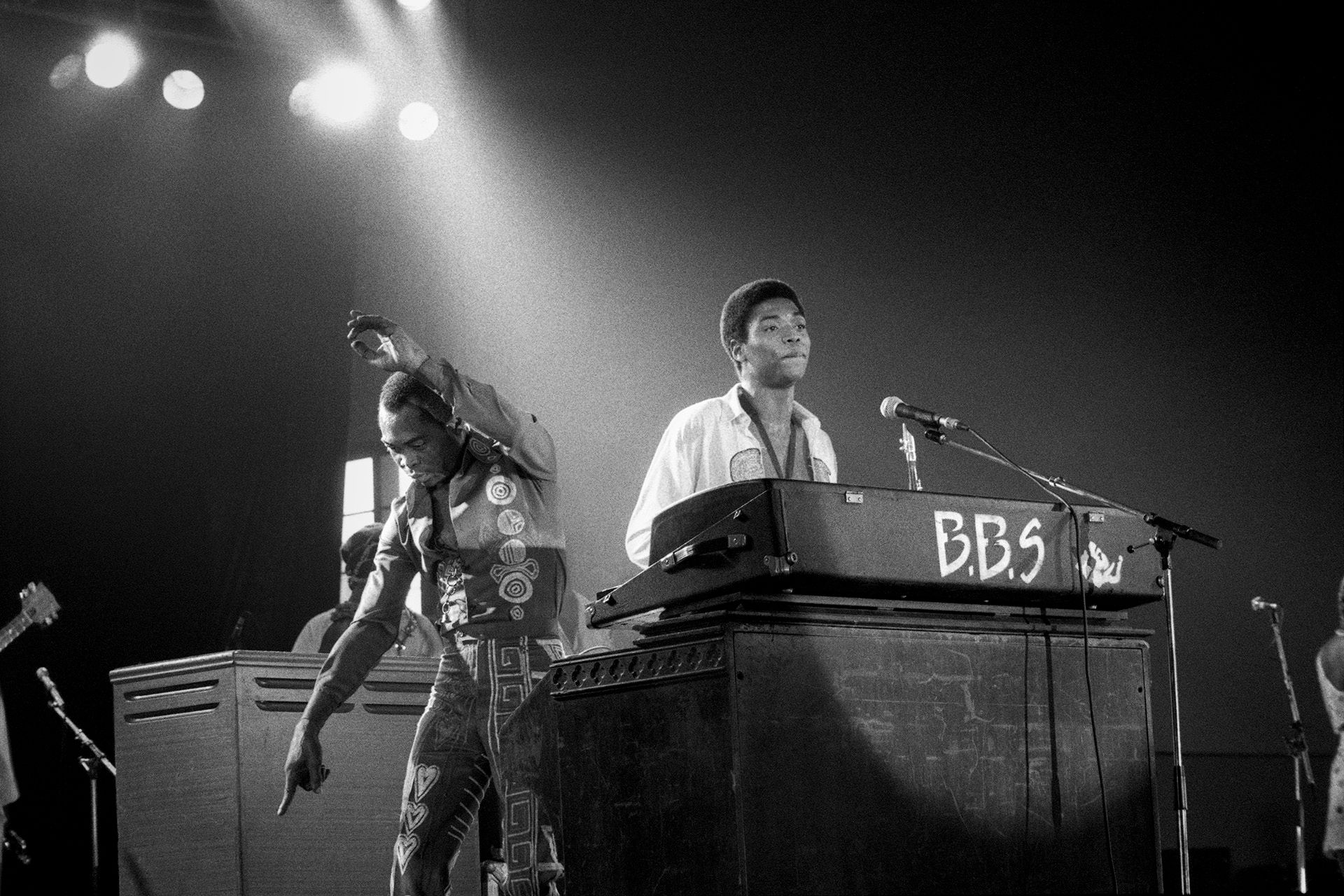
Fela Anikulapo-Kuti with his wives ans dancers, the Kalakuta Queens, and his son Femi Kuti | Lausanne, Switzerland - July 1984

Sandra

During his U.S. tour, Fela met Sandra Izsadore, an African American civil rights activist in Los Angeles. She introduced him to the writings of Malcolm X, Angela Davis, Stokely Carmichael, and other revolutionary thinkers. 

Reflecting on that period, Fela told The New York Times

«It was incredible how my head was turned. Everything fell into place, man. For the first time, I saw the essence of black nationalism (blackism). I realized that to be a great man you have to have a great country behind you. I had no country, just a bunch of Africans running around in suits trying to be Englishmen. I decided to come back and try to make my country African.»

Sandra recalled their encounter: 

«He is the man I met in America in 1969… a man who literally walked with the Los Angeles Times in his shoes because he could not afford a new pair. I had no idea then that we would make historical changes in the mindset of the Nigerian people. Fela and I wanted positive change for the world. I thought that change could come through music.
«That chance meeting was the start of Afrobeat and a love connection that shaped the world. When I met Fela, I was searching for truth! About myself and our race. I shared with Fela our story, the little that I knew of African history and culture. I shared and displayed that message of truth (2)

---

(2) Quotes reproduced with permission from Sandra Izsadore. Learn more at her official website: link1 link2

My selection of music records

Shakara - EMI (NIG) 1972

Yellow Fever - Afrodisia (NIG) 1976

Up Side Down - Afrodisia (NIG) 1976

Progress - Coconut (NIG) 1977

Articles

Black Lives

From Generation to Generation

LKJ

Master of dub reggae poetry

Miriam Makeba

Mama Africa

Themes

Africa

Soul Funk

Samba Salsa

Pascal Schmidt

Ethnic Folk-Dance

Photographer